
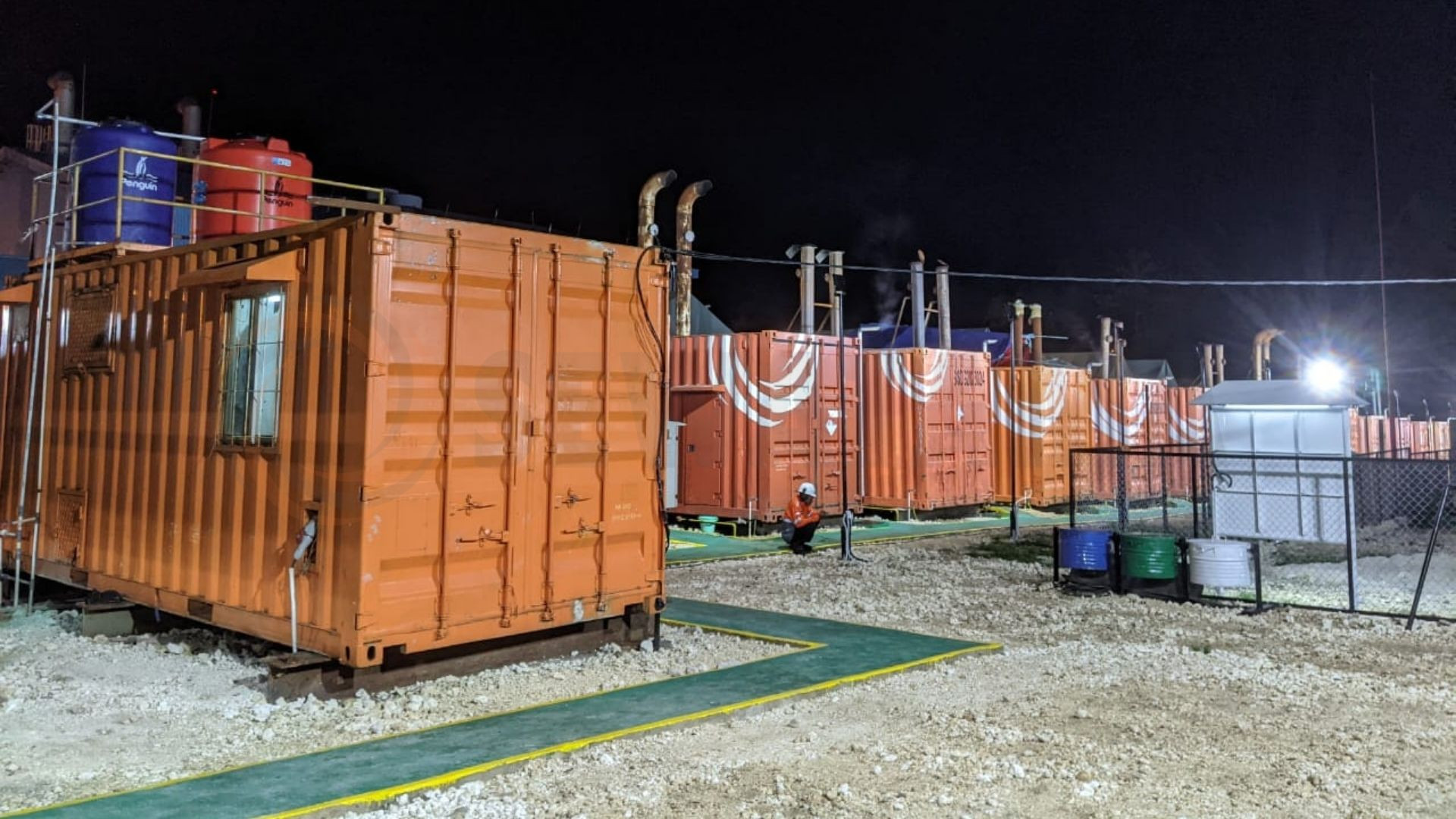
7 Critical Factors for Generator Set Siting
In regions where the grid supply is unstable, generator sets (gensets) serve as either the prime power source or backup power. However, many owners overlook the importance of installation siting, even though it directly impacts performance, efficiency, and the equipment's lifecycle. Here are seven technical aspects that must be engineered before commissioning a genset.
1. Ambient Temperature and Ventilation Systems
Gensets require an ambient temperature within 40–50°C to operate according to their nameplate rating. Exceeding this threshold triggers derating (a reduction in power output) and accelerates component wear and tear. Standard engineering solutions include:
- Intake and exhaust ducting to isolate cool ambient air from the radiator and exhaust manifold heat.
- Auxiliary fans within the generator room.
- Remote radiator installation (positioning the radiator outdoors). This option is more complex, requiring precise calculations for piping and sizing.
2. Humidity and Rainfall
High humidity accelerates corrosion on the alternator, engine, and radiator. It also increases the risk of short circuits in the control panel, particularly during prolonged periods of downtime. Preventive measures include:
- Installing hygrometers for monitoring.
- Ensuring proper air circulation via exhaust fans.
- Constructing a weather-proof, permanent roof.
For coastal applications, utilize marine-grade paint as an anti-corrosion coating.
3. Dust, Airborne Contaminants, and Industrial Environments
Pay close attention to the surrounding environment where the genset is sited. Is the area prone to heavy dust? If located in an industrial zone, consider exposure to chemical pollutants (acid vapours, industrial gases). These conditions can lead to:
- Premature clogging of air filters and a drop in combustion efficiency.
- Severe corrosion, leading to lower efficiency and increased fuel burn/consumption.
If siting in such areas is unavoidable, it is highly recommended to use heavy-duty air filters or dual-stage filtration systems. Maintenance intervals must be tightened, and a dust barrier enclosure should be constructed if necessary.
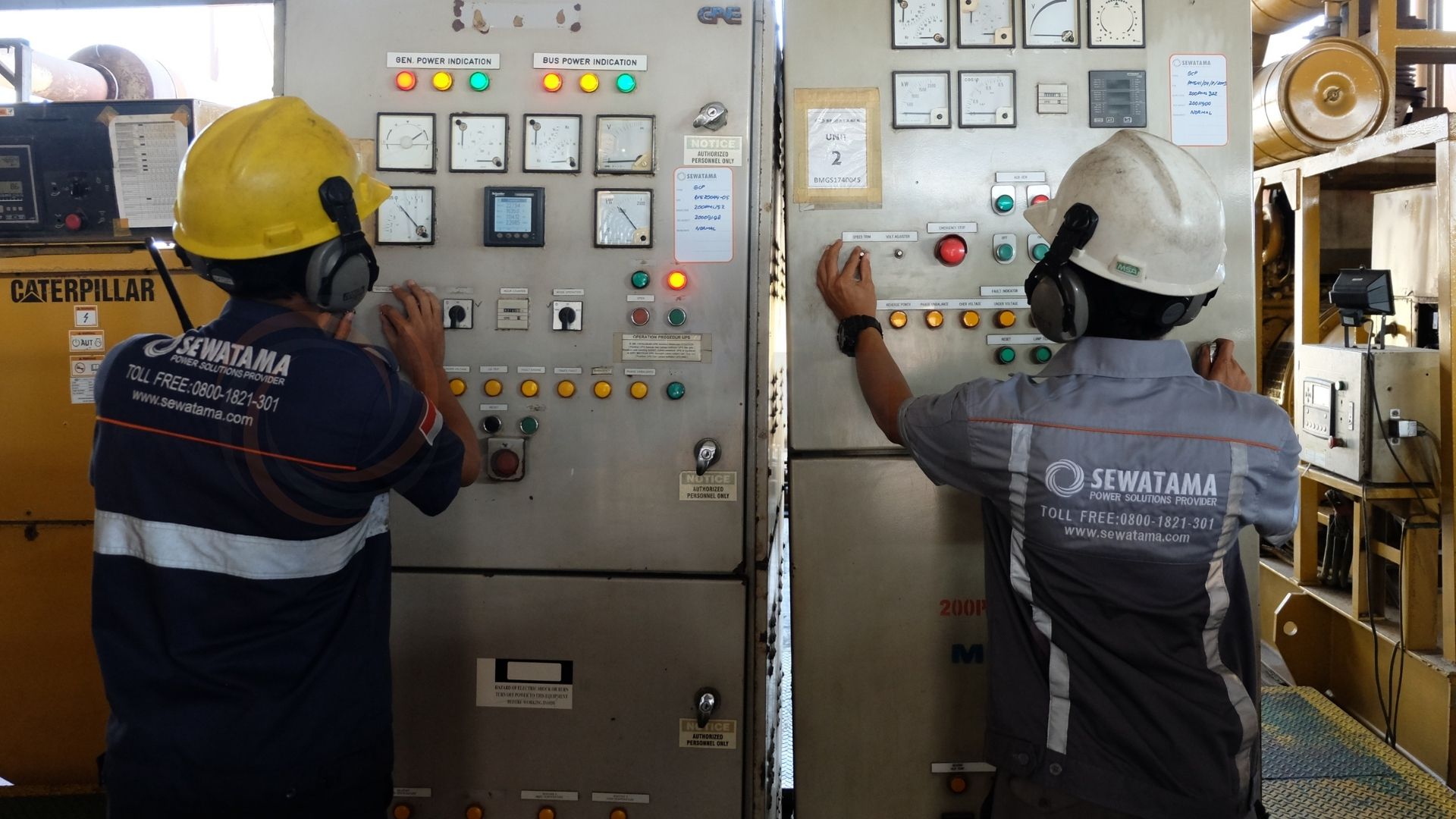
4. Noise Mitigation and Environmental Regulations
An open-frame (un-enclosed) genset typically generates noise levels between 90–105 dB during operation (depending on the distance from the unit). For comparison, the human comfort zone for hearing ranges between 45–60 dB, equivalent to a quiet office environment. Excessive noise can disrupt residential areas, schools, and hospitals, potentially violating local environmental regulations. Noise attenuation can be achieved through:
- Silent canopies (sound-attenuated enclosures).
- Acoustic insulation (soundproofing) on the generator room walls.
- Strategic setbacks (distance) from public facilities.
5. Vibration and Soil Conditions
Soft soil amplifies vibration propagation to adjacent structures, which can damage anti-vibration mounts, fuel lines, cabling, and misalign the engine-alternator coupling. To mitigate this, ensure the following:
- A robust, level concrete pad/foundation (retrofitted locally for existing buildings).
- Installation of anti-vibration mounts or rubber dampers.
- Regular laser alignment checks.
For new constructions, verify that the soil load-bearing capacity matches the total wet weight of the genset.
6. Altitude Derating
Every 1,000 meters above sea level (masl) results in a drop in oxygen levels and barometric pressure. This atmospheric change causes a derating of approximately 1% of the rated capacity. Therefore, load calculations must factor in derating as part of system losses. The specified genset must be oversized relative to the actual load requirement to compensate for altitude-induced power losses.
7. Safety, Security, and Environmental Protection
While this factor does not directly impact power output, it dictates whether the genset can be operated safely. Common operational hazards include:
- Fire hazards from fuel lines and hot exhaust gases.
- Hazardous emissions (CO/NO_x) posing health risks.
- Fuel or oil spills contaminating the ground.
- Rodent or wildlife ingress into the machinery.
- Unauthorized access due to a lack of perimeter fencing.
Required safety compliance measures:
- Exhaust piping must be routed outdoors.
- Fire suppression systems and portable fire extinguishers must be readily accessible.
- Spill containment/bunding for the fuel tanks.
- Ensuring the enclosure is proofed against pests and rodents.
- Installing perimeter fencing, partitions, and padlocks for restricted, authorized-personnel-only access.
Siting a genset is far more than just finding an empty space. By engineering around these seven factors (temperature, humidity, dust, noise, vibration, altitude, and safety), you ensure your asset operates at peak efficiency, maintenance costs remain optimized, and the surrounding environment remains safe and compliant.
By: M. Fauzan, Product Application Engineer, PT Sumberdaya Sewatama
Related News

Inform Us What You Need
It pleased us to provide you with solution
