
Why kVA Capacity is Not the Ultimate Benchmark?
When sourcing power rentals for mining or heavy industries, most procurement teams look straight at one number: kVA capacity.
But in the field, relying solely on kVA is a high-risk gamble. In heavy industrial projects, power system failures rarely happen because of a shortage of total power. Instead, they occur due to a misalignment between load characteristics and the generator's ability to respond to dynamic load changes.
True system reliability must always come first. Here is why: High Capacity ≠ High Performance
Mining loads are heavy and inductive, think crushers, conveyors, dewatering pumps, and ventilation fans. These assets generate massive inrush currents during startup.
When choosing a generator, the critical question is not: "What is the kVA rating?"The real question is: "Can this genset accept sudden load blocks without causing voltage or frequency drops that shut down operations?"
This is why load acceptance matters far more than nominal capacity.
The Power of ISO 8528-5 G3 Standards
Load acceptance is a generator’s ability to absorb sudden spikes in demand while keeping frequency and voltage stable.
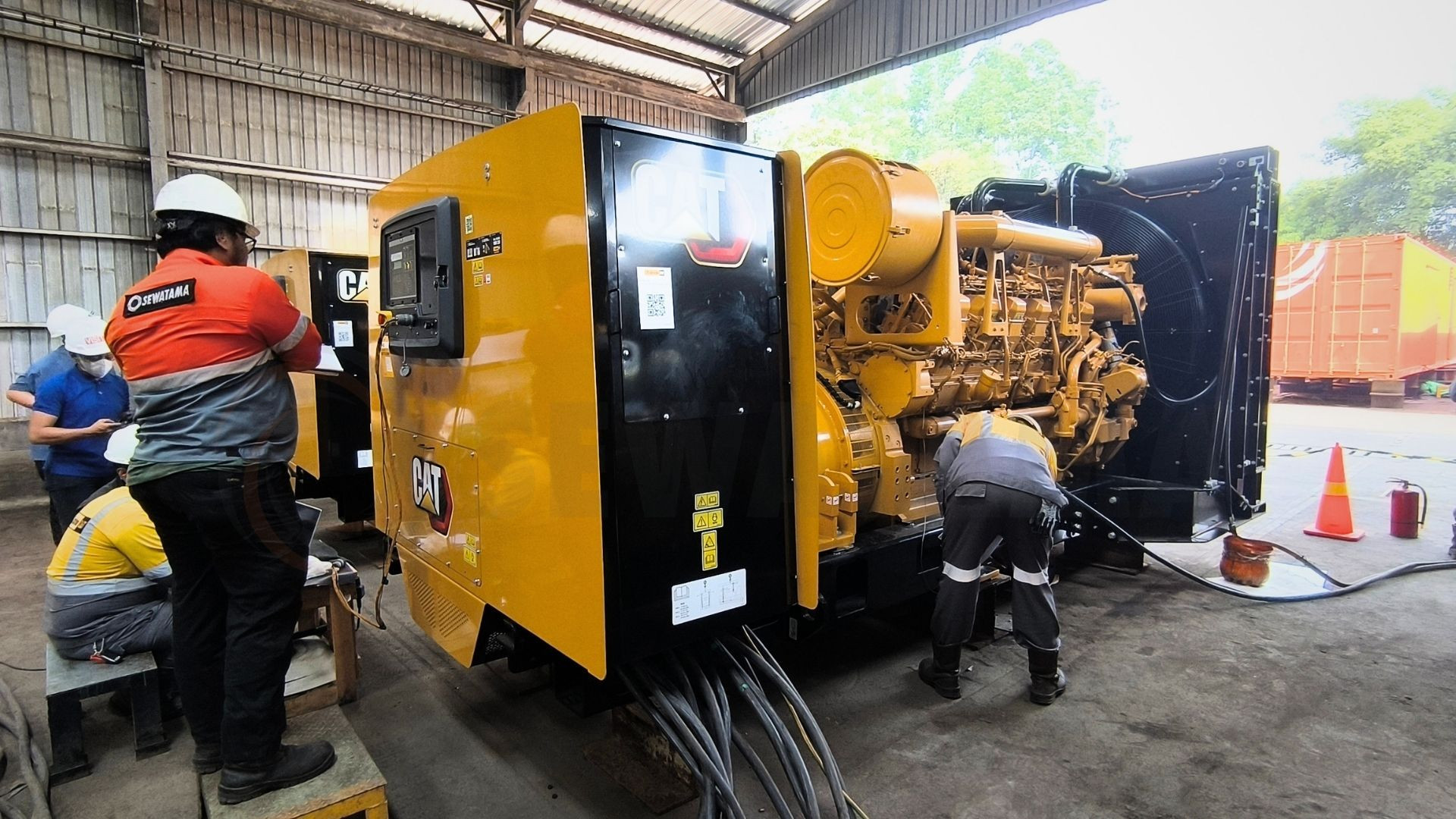
Take the Caterpillar 3512B, for example. It is engineered to meet ISO 8528-5 G3 standards, meaning it can handle a 100% block load under specific conditions. For industries requiring top-tier power quality and transient response, G3 compliance is non-negotiable.
The Costly kW vs. kVA Misconception
We once evaluated a client project that required 1,000 kW of power. The procurement team rented a 1,000 kVA unit, assuming the two metrics were interchangeable.
Once deployed, the unit underperformed drastically. The issue wasn't the equipment; it was the engineering math: kW is active power (the actual work being done). kVA is apparent power (which factors in system efficiency).
In standard generator systems with a 0.8 power factor, a 1,000-kW load actually requires roughly 1,250 kVA. A 1,000 kVA genset was simply never designed to run that load continuously.
Technical understanding of load profiles, power factors, and capacity margins saves you from costly downtime.
Reliability is an Asset Management Game
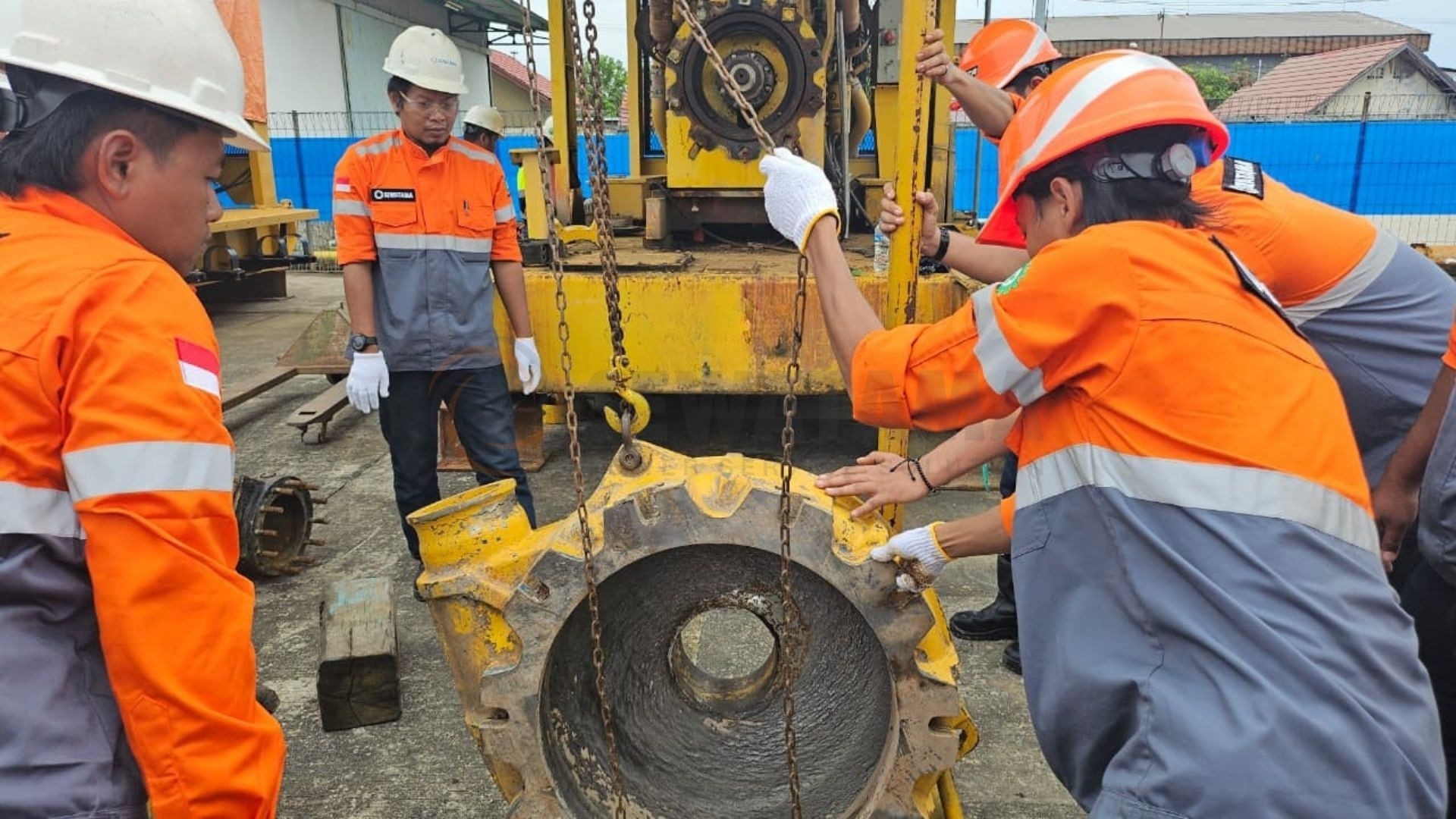
In the power rental sector, reliability is not just about a brand logo. It is about how assets are managed.True reliability requires aggressive asset management:
- Rigorous preventive maintenance
- Tracking running hours and fault history
- Immediate spare parts availability
- Proactive fleet regeneration
When your site loses power, you don't just need a generator sitting in a depot. You need an asset that is deployment-ready and performs exactly to spec. Reliability-driven partners do not wait for equipment to hit critical failure before investing in new fleets.
Balancing Efficiency & Readiness
Operational efficiency dictates your long-term bottom line. For instance, the Caterpillar 3512B delivers up to 1320 kVA Continuous (1056 kW) at 50 Hz. At full continuous load, it consumes about 271.7 liters of fuel per hour. Knowing these metrics is vital for precise fuel budgeting and logistics.
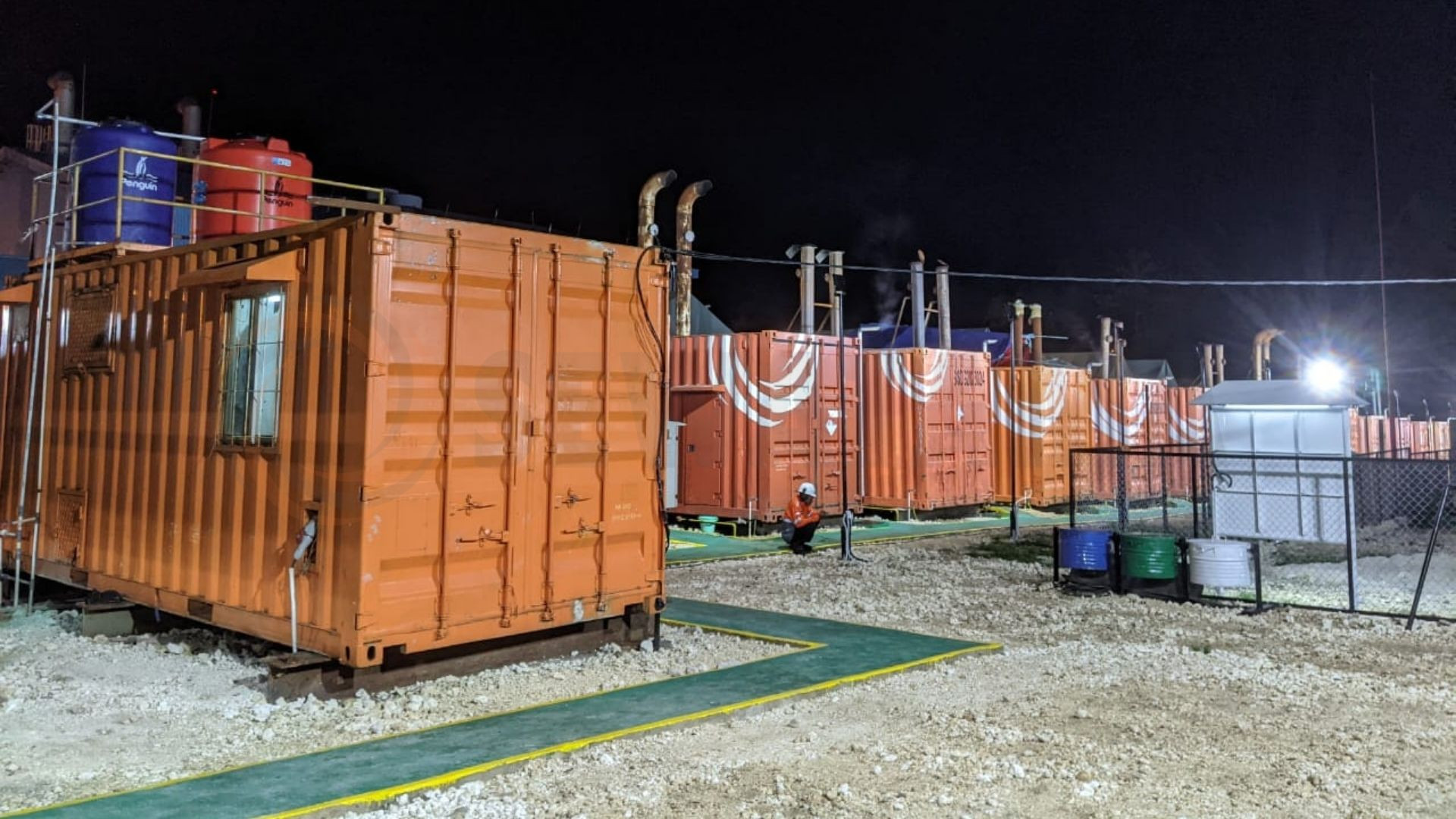
At Sewatama, asset management is our core engine. We continuously rejuvenate our fleet of over 250 operational gensets. By replacing older units early, we maintain peak availability, guarantee reserve capacity, and ensure our clients get matching performance for tough mining environments.
Because at the end of the day, you aren't just renting a machine. You are securing the certainty of stable, uninterrupted power.
By: Rizka S. Aji, Marketing Communication, PT Sumberdaya Sewatama
Editor: M. Fauzan, Product Engineering PT Sumberdaya Sewatama
Related News
Inform Us What You Need
It pleased us to provide you with solution
