
Technical Considerations for Selecting a Dewatering Pump
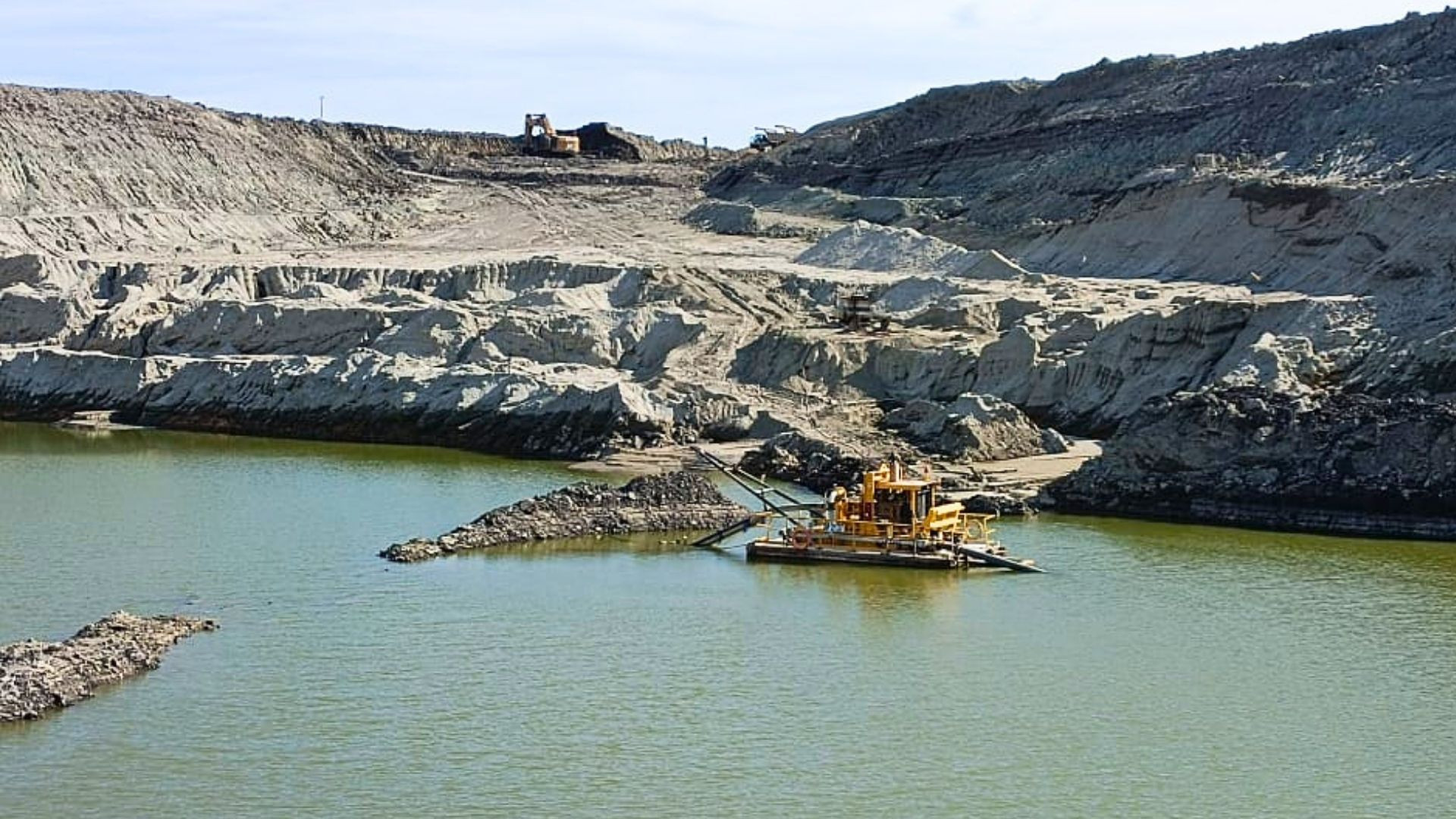
In mining, water can be both an ally and an enemy. An ally because it helps with dust suppression; an enemy because uncontrolled flooding can shut down production in a matter of hours. Every mining engineer knows exactly what it feels like to walk out to the pit face after an overnight rain and find it turned into a pond. Or to watch groundwater keep seeping in even though the pump has been running hard.
That is why a dewatering pump is more than just a piece of equipment. It is your last line of defence. When choosing the right pump, you need to weigh several technical factors so that excess water in the open pit does not disrupt your mining operations.
The Basic Numbers: Flow, Area, and Time
Before talking about brands or prices, three things should guide you. First, what is the water inflow into your mine area? Second, what is the area of the pond that needs to be pumped? Third, how much time do you have to complete the dewatering job?
These three questions directly tell you the required flow rate in cubic meters per hour. But be careful, do not rely only on the number printed on the pump nameplate. That number is an ideal value under zero‑head conditions.
Flow rate and pump head are always linked. The higher the head, the lower the actual flow rate you will get.
Head: More Than Just Lift
Total Dynamic Head (TDH) is a term that is often oversimplified and not always used correctly. Many people think the head is simply the vertical distance from the water surface to the discharge point. TDH includes the elevation difference, friction losses through pipes and fittings, and any back pressure if the water has to pass through a screen or a pressurised system.
Imagine a discharge line that runs 300 meters with several bends. Friction loss in that line alone can add tens of meters to the required head. As a result, a pump rated for a 50‑meter head might only deliver a trickle because the effective head needed has already exceeded its capability. Reading the pump’s performance curve — the graph that shows the relationship between flow rate and head — is a habit that saves many projects.
Mine Water Comes in Different Forms
Not all water is the same. Clean water with neutral pH is relatively friendly to standard centrifugal pumps with cast‑iron construction. But many mines in Indonesia face acid mine drainage with a pH below five. That water is corrosive. Within weeks, a standard impeller can become pitted, and the casing can develop holes. For these conditions, you need to upgrade pump materials to duplex stainless steel, SS316, or at least cast iron with a special acid‑resistant coating.
Then there is water that contains mud, sand, or rock fines. In an open‑pit mine, water flowing into the sump almost always carries solids from blasting and excavation. Particle size and solids concentration become critical parameters. The larger the particles and the higher the concentration, the faster a standard pump will wear out its impeller and seal. That is where slurry pumps come in — designed with wider internal clearances and abrasion‑resistant materials.
Also, pay attention to the type of seal. It can determine the life of your pump. Mechanical seals work well for clean water or water with low solids content. But for thick, sandy water, gland packing is often more durable because you can adjust it on the fly when minor leakage occurs, without having to tear down the pump.
Reliability in Extreme Conditions Matters More than a Low Price
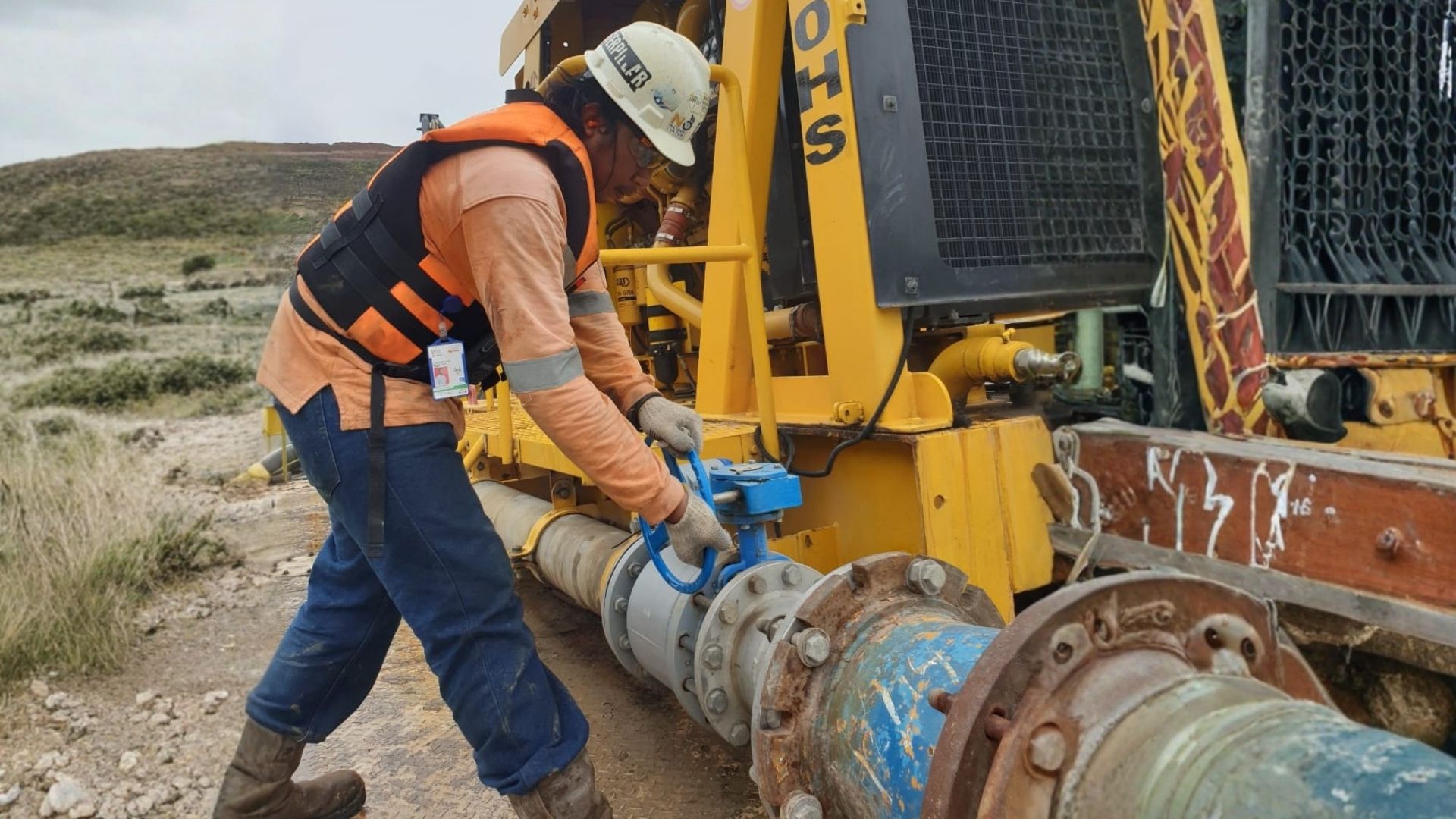
Mines are tough environments. Dust, vibration, voltage fluctuations, or poor diesel fuel quality are part of daily life. A dewatering pump placed in a sump or an open pit often has to run non‑stop for days. In these conditions, reliability is far more important than a cheap purchase price.
An experienced mining engineer will always ask: where do I get spare parts? How long is the lead time? Is there a technician who can come within 24 hours if the pump fails in the middle of the night during heavy rain? Because dewatering downtime means rising water, haul trucks are stuck, and missed production targets. The loss can be many times the cost of the pump itself.
Another factor worth considering is ease of maintenance. A pump design that gives quick access to bearings, mechanical seals, and the impeller will save your field technicians a lot of time. A pump that needs a full teardown with special tools every time it is serviced will only waste time and energy.
A Smart Alternative: Rent, Don't Buy
With all these technical complexities, a practical question comes up. Does every mine need to own its own fleet of pumps? Or is there a more flexible way?
That is why dewatering rental services are increasingly seen as a smart option. Water inflow into a mine is never constant. The dry season and the rainy season can be dramatically different. When you rent, you can scale your pumping capacity to match actual demand. No idle assets during the dry season. No headache of storing a large pump that you only use for two months a year.
A good rental service will also offer a range of pump types. For clean water, standard centrifugal units. For acid mine drainage, units with corrosion‑resistant materials. For muddy water with high solids, slurry pumps are ready to go. More importantly, maintenance and spare parts become the responsibility of the service provider. When a pump has a problem, the technician team shows up — not the mine's chief engineer scrambling to find a workshop.
Sewatama, with decades of experience in the energy and mining industries, understands that every mine site has unique dewatering challenges. It is not just about renting out a pump. It is about delivering a solution carefully calculated from flow rate, head, and water characteristics on site. And just as important, an after‑sales network that is ready to move fast whenever you need it.
When ponding threatens to disrupt your production, the technical decisions about your pump cannot be half‑measures. Understanding flow rate, total dynamic head, water properties, and maintenance reliability is the foundation. After that, choosing between buying and renting is a matter of long‑term operational strategy. For many mines in Indonesia, the rental option from Sewatama has proven to deliver both peace of mind and cost efficiency.
By: Agus Wijayanto, Product Application Engineering, PT Sumberdaya Sewatama
Related News

Inform Us What You Need
It pleased us to provide you with solution
