
The Generator Powerhouse: Beyond the Standard Warehouse
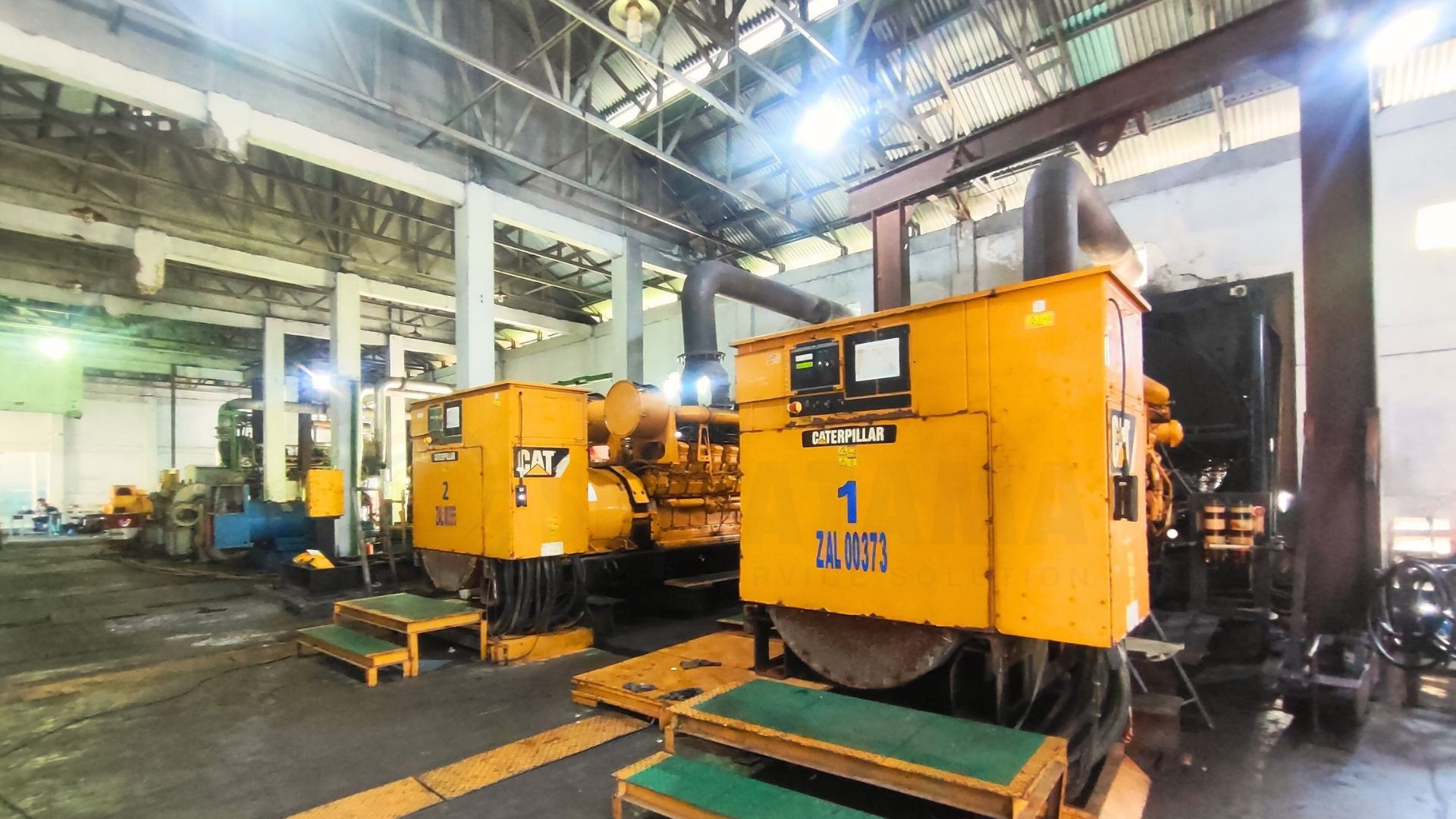
At first glance, a generator set (genset) powerhouse may appear deceptively simple. With its steel structure, high ceilings, and oversized doors, it closely resembles a standard industrial warehouse. This visual similarity often leads to the misconception that a powerhouse can be designed using basic warehouse specifications.
However, this assumption is fundamentally flawed. A powerhouse is a highly specialized technical facility where the design is dictated by the machinery it houses. It does not exist merely to provide shelter from the elements; it is an integral component of the engine’s operational system.
Several critical engineering factors must be considered. During operation, a genset generates immense thermal energy and requires a substantial combustion air supply. Furthermore, the engine forces out a massive volume of hot air that must be exhausted immediately. For instance, a high-capacity unit like the Caterpillar CAT 3516 can reach exhaust gas temperatures (EGT) of nearly 500°C under high load. This heat is dissipated into the environment via the radiator, the engine block, and the exhaust stream.
Failure to manage this thermal load effectively will cause the ambient air temperature inside the powerhouse to skyrocket. This ambient parameter is a critical variable used by Original Equipment Manufacturers (OEMs) to define the engine’s output capacity.
Ventilation and the Risk of Derating
Genset manufacturers typically assign power ratings based on a maximum ambient temperature, often 40°C. Once the room temperature exceeds this threshold, the genset’s power output is no longer guaranteed and is subject to derating according to the manufacturer's performance curves.
In engineering practice, a common rule of thumb is that any increase in intake air temperature above the reference value can potentially diminish engine power, depending on the engine type, turbocharging system, and cooling configuration. In design applications, a rise in room temperature of just 10°C above standard conditions can lead to a significant power drop-off if not mitigated during the FEED (Front-End Engineering Design) stage.
Consequently, a genset rated at 2,000 kW under ideal conditions may only deliver a fraction of that capacity in the field due to an overheated environment. This issue often goes undetected because the engine continues to run without immediate failure, yet it never reaches its peak performance.
Foundations and Vibration Mitigation
In addition to thermal management, a genset generates significant dynamic loads due to its rotational mass. Large-scale units weigh tens of tons and operate continuously; therefore, the foundation cannot be treated like a standard warehouse slab.
The foundation must be engineered to withstand both static and dynamic loads while effectively damping vibrations. Errors in foundation calculations can trigger structural fatigue, excessive vibration, and long-term mechanical misalignment or structural cracking.
Not Just About Scale or Cost
The footprint and geometry of a powerhouse are not determined solely by the physical dimensions of the genset. The cooling system, maintenance clearances, overhead crane pathways, operator safety, and long-term reliability are all vital design drivers.
A superior powerhouse is not necessarily the largest or the most cost-effective; rather, it is technically sound. It must be robust enough, safe enough, and efficient enough to support the machine in operating according to its design specifications.
Ultimately, while it may look simple to the untrained eye, a generator powerhouse is never "just a warehouse."
By: Ahmad Rojiantoro, Product Application Engineer, PT Sumberdaya Sewatama.
Related News


Inform Us What You Need
It pleased us to provide you with solution
