
Powering the Grid: Converting Palm Oil Effluent into Electricity
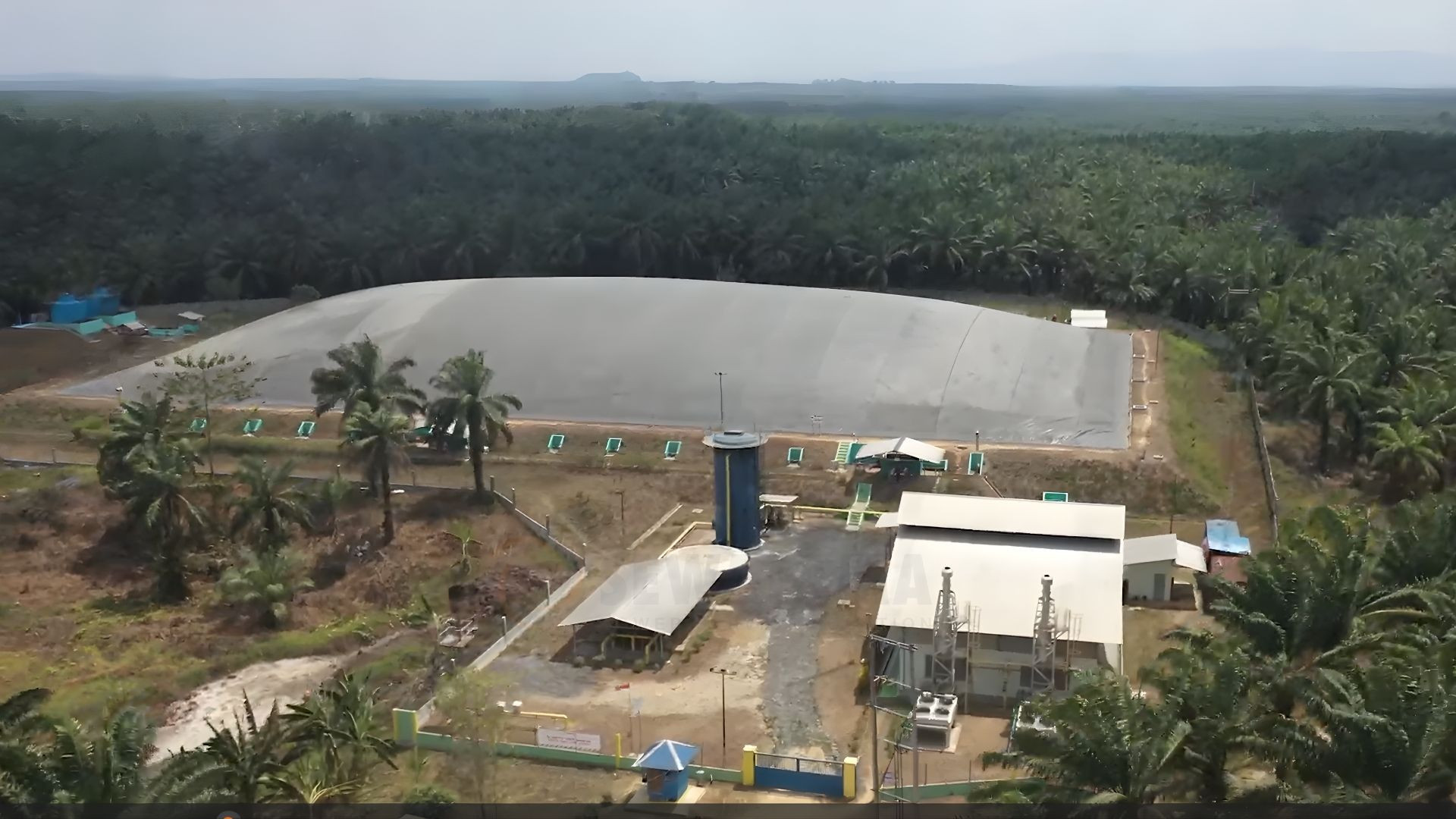
In anticipation of the 2025 year-end, the Sewatama Management Team shared its expertise. Mustofa Kamal Zulkarnain, Head of the Sales & Business Development Division at PT Sumberdaya Sewatama, outlined the operational process of the Biogas Power Plant (PLTBg) in South Kalimantan, which has been under the management of a PT Sumberdaya Sewatama subsidiary since 2020.
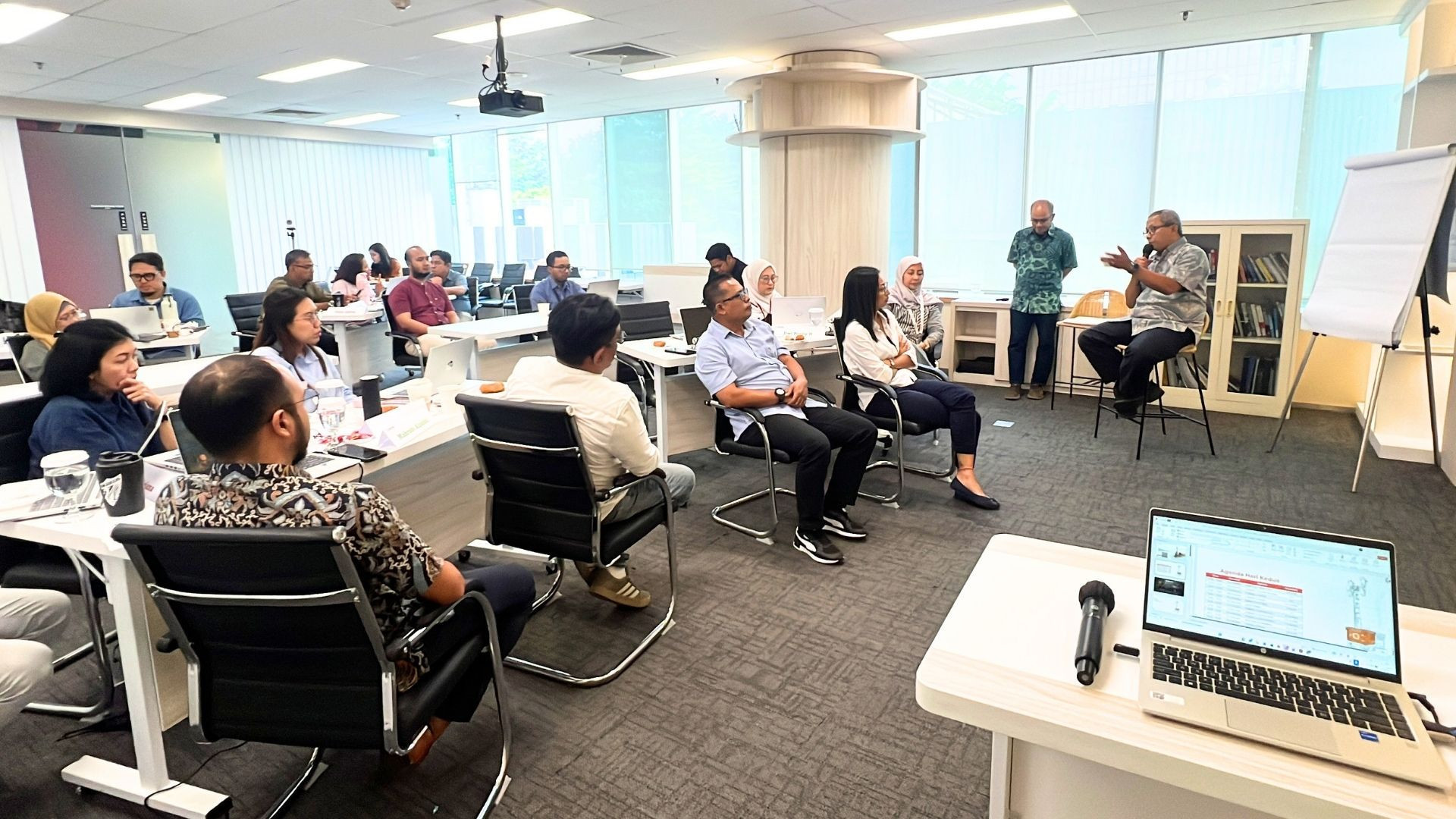
"The primary feedstock is Palm Oil Mill Effluent (POME), which is subsequently processed into biogas to fuel the generator set," he stated during a knowledge-sharing session at the Sewatama office Amphitheatre on Monday (15/12).
The Substrate: POME's Potential as Renewable Fuel
POME, the liquid effluent generated during palm oil processing, has been consistently identified in various research studies as containing the requisite elements for biogas formation. As documented by Rumokoy & Monika (2018), who investigated the electric energy potential at palm oil mills, POME is highly characterized by its significant capacity as a biogas precursor due to its abundance of biodegradable organic compounds. Critically, if this effluent is not managed, POME acts as a major source of fugitive methane (CH4) emissions, contributing significantly to the regional greenhouse gas burden.
From Effluent to Energy: The Anaerobic Digestion Process
POME, derived from the sterilization and clarification stages of Fresh Fruit Bunch (FFB) processing at the Palm Oil Mill (POM), is first directed to a pre-treatment system before its ingress into the anaerobic digester. This digester functions as a sealed biochemical reactor, providing an environment where anaerobic microbial communities decompose the complex organic matter into biogas.
"This resulting biogas is subsequently utilized as fuel for the generator set. However, direct injection is not possible, as a prerequisite gas conditioning and purification process must be executed," Mustofa explained.
He elaborated that the raw biogas stream exiting the digester is saturated with impurities, specifically water vapor and hydrogen sulphide (H2S). Consequently, the gas must be channelled through a scrubber and a dehumidifier unit to elevate its fuel quality. This crucial gas conditioning step is paramount for mitigating internal corrosion, preventing engine knocking, and ensuring optimal thermal efficiency within the internal combustion equipment, notably the gas engine generator set.
Conversion Dynamics: Chemical Energy to Electrical Power
Once the biogas meets the stringent fuel specifications, it is injected into the gas engine. The chemical energy stored in the methane component of the biogas is converted into mechanical work via the combustion cycle, which in turn drives the generator to produce the desired electrical output.
The research conducted by Rumokoy & Monika (2018) across various POM facilities indicated that POME-based PLTBg systems can generate an electrical output in the range of 1 to 3 MW. This capacity is contingent upon variables such as the volumetric flow rate and quality of the POME, alongside the specific configuration of the power generation module.
Case Study: The 2.4 MW PLTBg in South Kalimantan
Sewatama is actively involved in the practical application of this POME-to-electricity conversion. Through its subsidiary, the company executes the Operation & Maintenance (O&M) services for a POME-based PLTBg with a rated capacity of 2.4 MW at a palm oil firm in South Kalimantan. The O&M scope is comprehensive, encompassing not only the core gas engine and generator but also the control and stabilization of upstream processes, including digester performance, biogas quality assurance, and seamless integration with the existing electrical infrastructure.
This holistic methodology aligns perfectly with academic findings that underscore the dependency of PLTBg success on the integrated management of both the biological process and the electrical systems, extending beyond the singular focus on the power generation unit itself.
The POME-based PLTBg stands as a clear manifestation of the circular economy paradigm within the palm oil sector. A liquid waste product that previously represented an environmental liability is now repurposed as a reliable source of renewable energy, simultaneously enabling the mitigation of greenhouse gas emissions and a significant boost to the mill's overall energy independence.
By: Rizka S. Aji, Marketing Communication PT Sumberdaya Sewatama
Related News

Inform Us What You Need
It pleased us to provide you with solution
