
Unlocking Operational Excellence
In the modern industrial landscape, operational efficiency and global compliance are the primary benchmarks of corporate competitiveness. For leading organizations, the Integrated Management System (IMS) serves as a strategic framework to harmonize multiple ISO standards into a single, cohesive, and structured management pillar.
An IMS allows a company to align its processes, optimize resource allocation, and manage risks holistically. By integrating these systems, organizations move away from "siloed" management, ensuring that quality, safety, and environmental goals are achieved simultaneously rather than through separate, redundant efforts.
The Core Pillars of QHSE Integration
The effectiveness of a modern IMS is rooted in the Annex SL framework—a high-level structure shared by all new ISO standards. This commonality allows for seamless integration of the three primary QHSE standards:
1. ISO 9001:2015 (Quality Management System): Establishes the framework for consistent service delivery, process efficiency, and enhanced customer satisfaction.
2. ISO 14001:2015 (Environmental Management System): Governs environmental impact control, waste management, and the implementation of sustainability principles.
3. ISO 45001:2018 (Occupational Health & Safety Management System): Focuses on mitigating workplace hazards, preventing occupational injuries, and protecting the well-being of all personnel.
Strategic Advantages of an Integrated Approach
Implementing an IMS provides significant value beyond mere compliance. Key advantages include:
1. Streamlined Documentation: Eliminating duplicate procedures and records, resulting in a leaner and more manageable documentation system.
2. Optimized Audit Processes: Internal and external audits can be conducted concurrently, significantly reducing time, costs, and operational disruption.
3. Business Process Alignment: Ensuring that the management system is not a separate administrative burden but is deeply embedded within the core business operations.
4. Enhanced Risk Management: Providing a 360-degree view of organizational risks, from quality failures to environmental incidents and safety hazards.
Case Study: PT Sumberdaya Sewatama’s Commitment to Global Standards
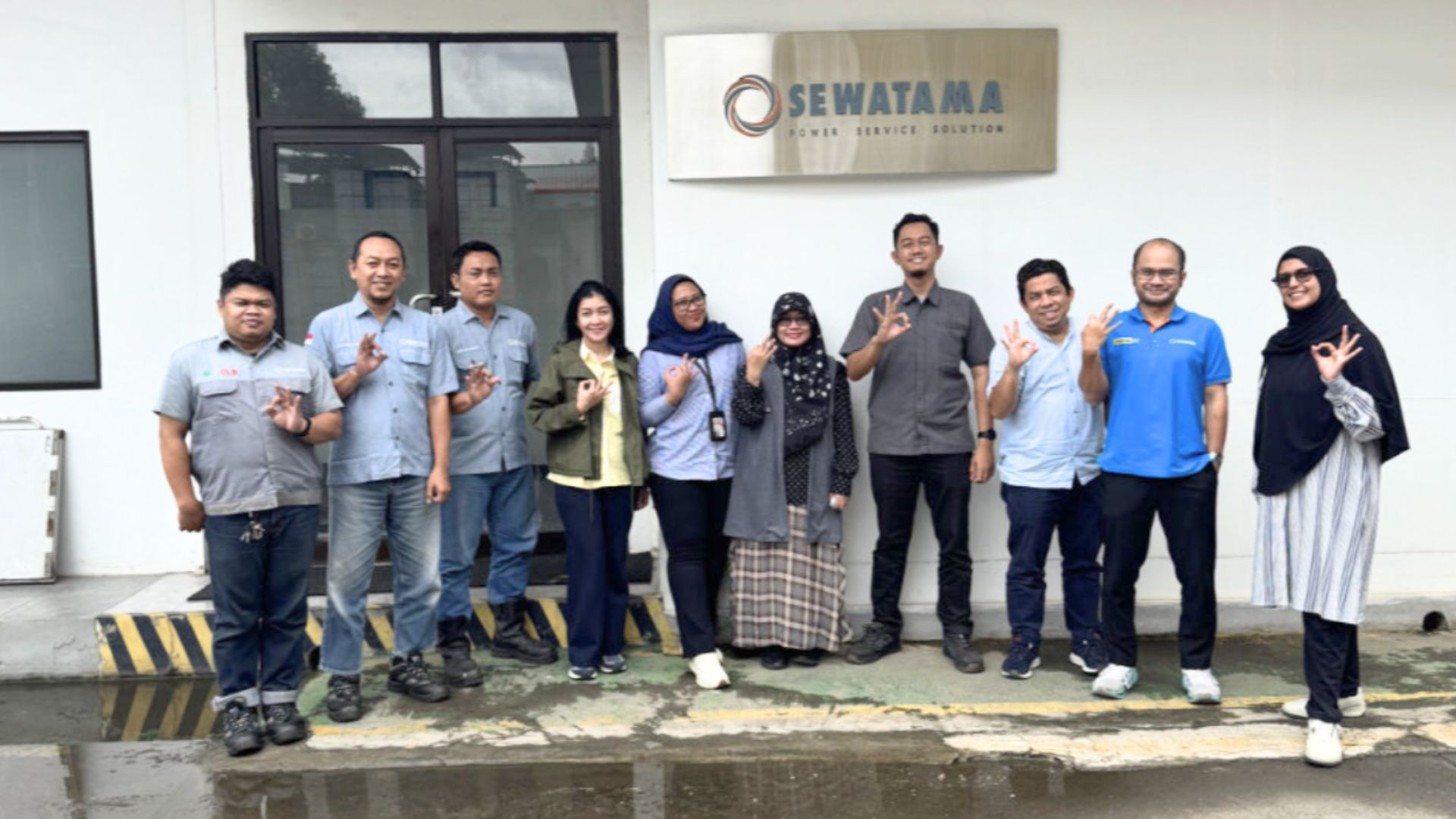
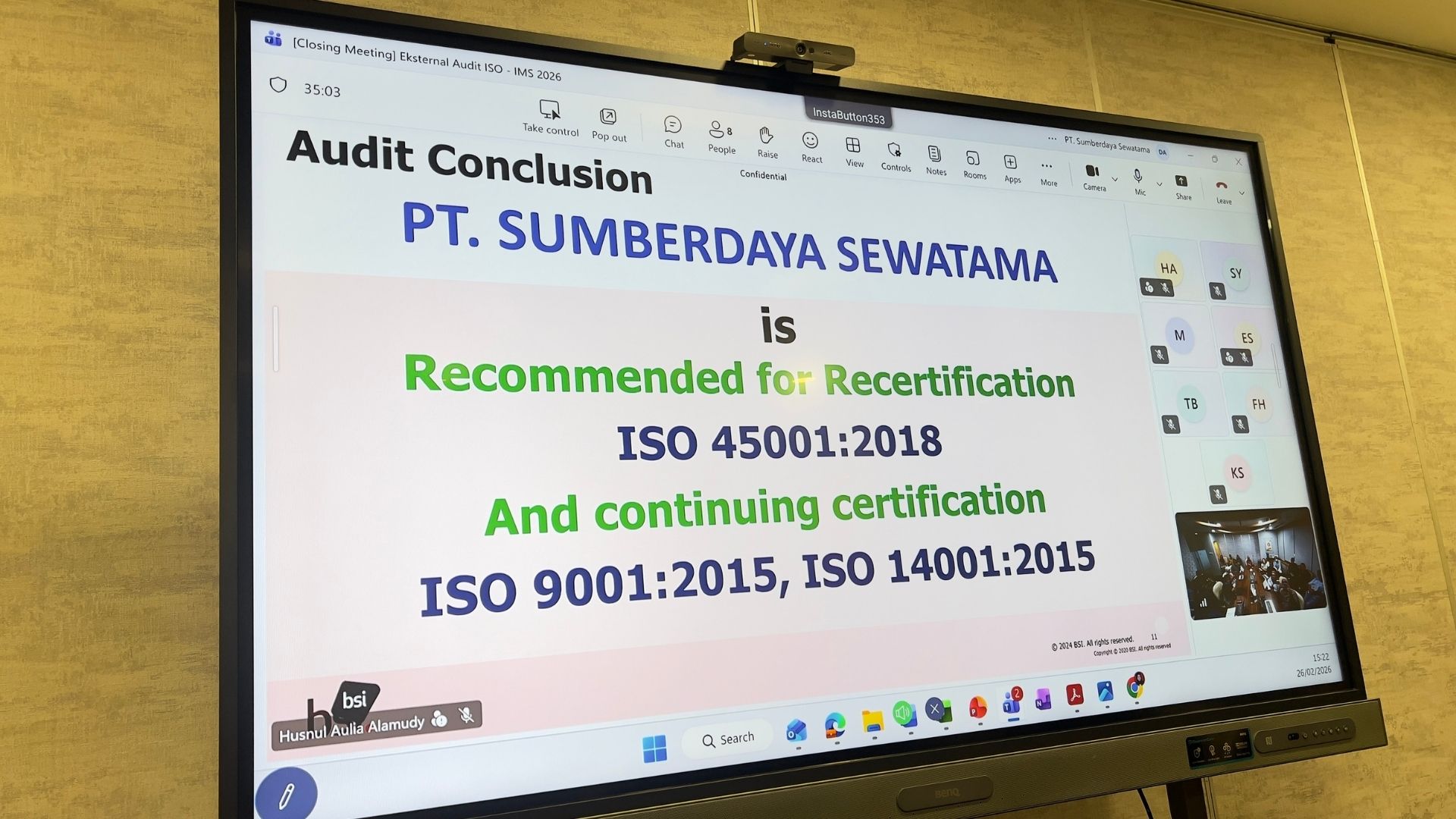
As a testament to the successful application of these principles, PT Sumberdaya Sewatama has successfully maintained its ISO Integrated Management System certification as of February 2026. Following a comprehensive external audit conducted between February 18–26, 2026, the company also secured an extension to the scope for its major operational hubs at the Pulogadung Depot and Gresik Depot.
This achievement underscores Sewatama’s commitment to operational excellence and its ability to adapt to rigorous international benchmarks. By successfully integrating ISO 9001, ISO 14001, and ISO 45001, the company continues to strengthen its position as a reliable and sustainable energy solution provider, ready to meet the challenges of the global market.
By: Dalilah Alkatari, Corporate OHS Officer, PT. Sumberdaya Sewatama.
Related News
Inform Us What You Need
It pleased us to provide you with solution
