
Assessing the Future Workforce Needs of the Power Sector
The transition toward a greener economy is no longer a future aspiration. It is already reshaping industries, technologies, and workforce requirements across the globe. In Indonesia, this transformation is creating new opportunities while simultaneously introducing significant challenges for businesses operating in the energy and power sectors.
During the Indonesia Green Jobs Conference (IGJC) 2026 held in Jakarta on September 2, 2026, Minister of National Development Planning/Head of Bappenas, Rachmat Pambudy, emphasized the urgency of accelerating green job creation in Indonesia. According to him, the shift toward a green economy will not only create new types of jobs but also fundamentally change the technologies, work processes, and competencies required by the country's workforce.
His statement highlights the scale of the challenge facing energy and power companies today. On one hand, demand for workers with new technical capabilities continues to grow. On the other hand, workforce development often struggles to keep pace with the rapid advancement of industrial technology.
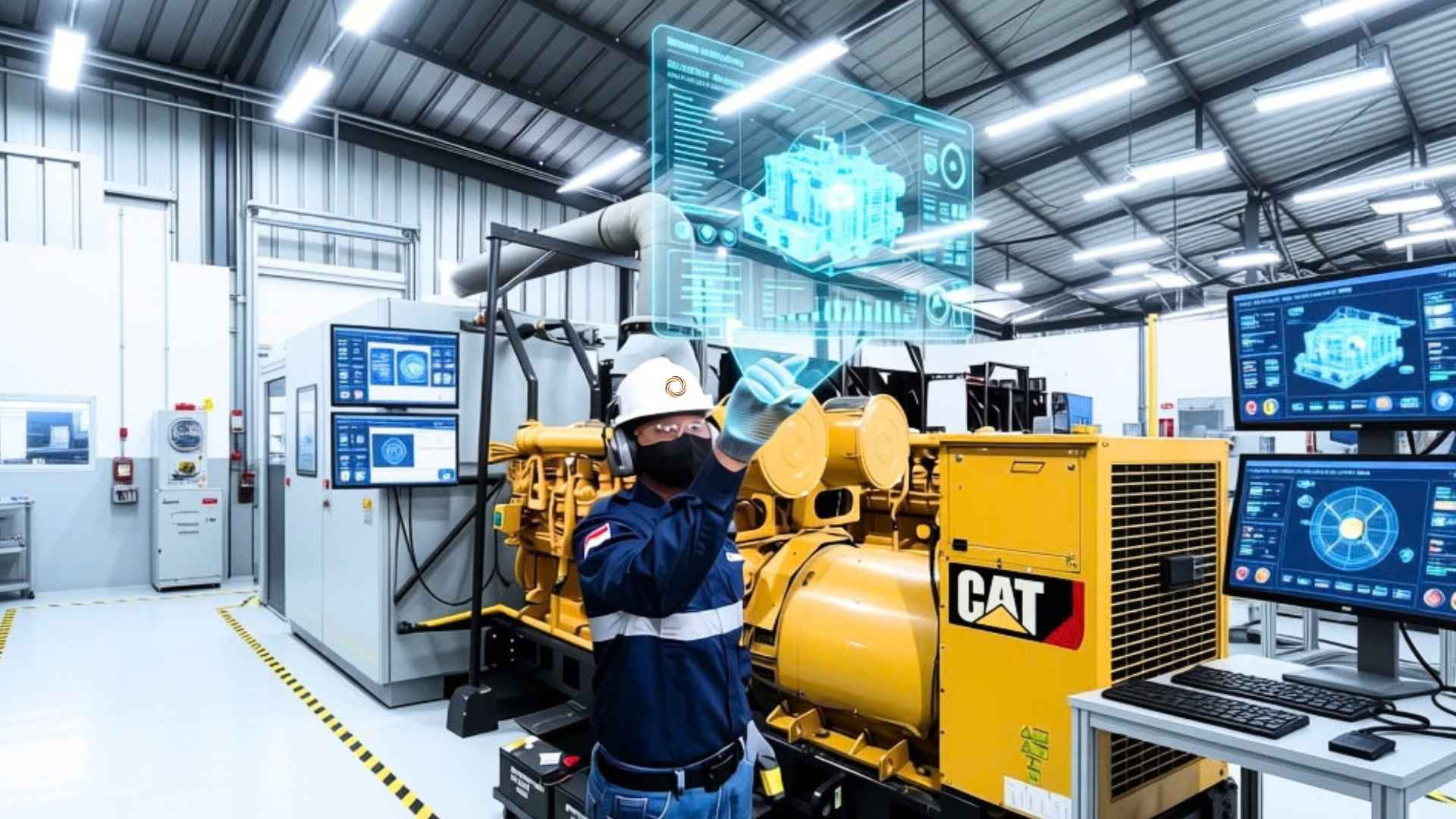
As the energy transition accelerates, modern power systems increasingly rely on digitalization and intelligent asset management. Technologies such as smart grids, battery energy storage systems (BESS), electric vehicles, advanced control systems, and data-driven asset monitoring platforms are becoming integral components of the electricity ecosystem. These developments require a significantly different skill set than those demanded a decade ago.
The evolution of technology also drives a growing need for highly skilled personnel supported by continuous learning and development programs. However, building technical competence is not an overnight process. Companies need a systematic approach to ensure that workforce capabilities remain aligned with operational requirements and business objectives.
This challenge becomes even more critical considering that much of the industry's most valuable expertise remains embedded in the experience of field practitioners. From operational troubleshooting and reliability-centered maintenance to electrical safety practices refined through years of practical application, a substantial portion of this knowledge exists as tacit knowledge rather than documented organizational assets.
As experienced professionals approach retirement and new technologies continue to emerge, organizations face a dual challenge: preserving institutional knowledge while simultaneously developing new competencies for the future. This is where technical learning and capability development functions become increasingly important.
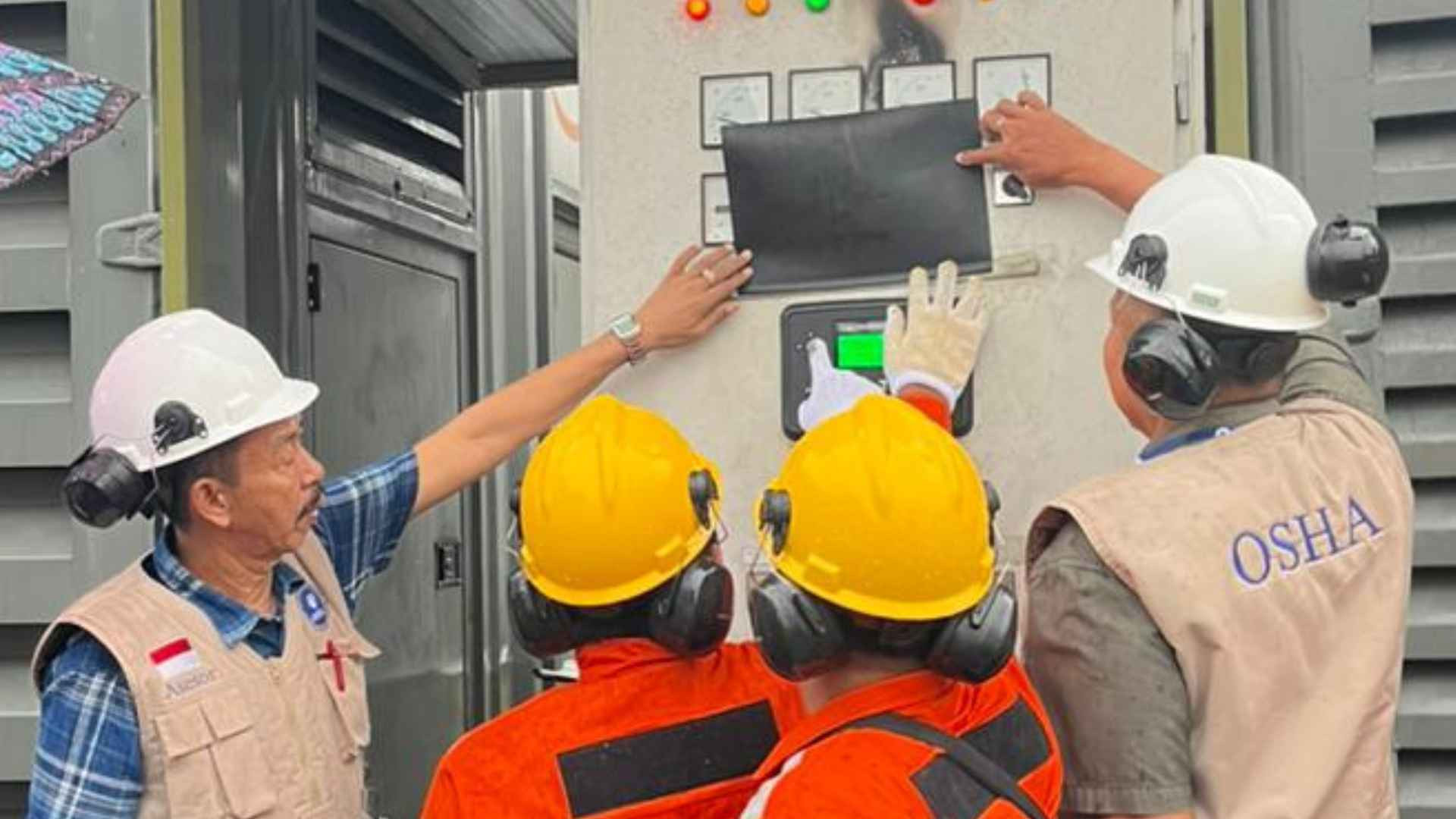
Today, workforce development extends far beyond organizing training sessions. Organizations require professionals who can assess workforce competencies, identify capability gaps, design structured development pathways, and transform field experience into transferable knowledge. In other words, companies need individuals capable of building a comprehensive technical learning ecosystem.
The Role of a Technical Trainer Specialist
A Technical Trainer Specialist serves as the bridge between business objectives, operational requirements, and people development initiatives. The role goes far beyond delivering classroom instruction. Its primary purpose is to ensure that organizations have the technical talent needed not only to operate today's technologies but also to adapt to tomorrow's innovations.
Responsibilities typically include conducting competency assessments, developing technical learning architectures, creating structured learning pathways, designing training materials based on operational experience, and facilitating coaching, mentoring, and knowledge management programs. Together, these initiatives help build a workforce that is both competent and adaptable in an increasingly dynamic industrial environment.
The position also plays a crucial role in capturing lessons learned from operational sites and converting them into standards, work procedures, learning modules, and competency frameworks. By doing so, organizations can preserve critical expertise, reduce dependency on individual knowledge holders, and accelerate workforce readiness across multiple locations.
As Indonesia discusses the creation of millions of green jobs, the real challenge extends beyond generating employment opportunities. Equally important is ensuring that qualified professionals are available to fill those roles. Ultimately, the success of the energy transition will depend not only on the technologies deployed, but also on the people who operate, maintain, and continuously improve them.
For professionals who are passionate about technical capability development, understand industrial operations and maintenance, and aspire to contribute to the future of Indonesia's energy sector, this represents an opportunity to take on a highly strategic role. Click to join
By becoming a Technical Trainer Specialist, you can help shape the next generation of technical talent and contribute directly to the workforce that will support Indonesia's energy transformation for years to come.
By: Rizka S. Aji
Marketing Communication, PT Sumberdaya Sewatama.
Related News
Inform Us What You Need
It pleased us to provide you with solution
