
Smart Grid Indonesia and the Role of Power Plant Digitalization in the Future of Electricity Systems
Indonesia is entering a new phase in its energy transition journey. Amid rising electricity demand and the growing adoption of renewable energy, the national power system is under increasing pressure to become more reliable, flexible, and efficient. One of the key approaches gaining momentum is the development of smart grids, an intelligent electricity network that integrates digital technologies, communication systems, and data analytics to optimize energy management.
This development has become even more relevant following the designation of Bali as a pilot project for Indonesia's national smart grid initiative. The project forms part of a broader effort to prepare the country's power system for the accelerated integration of renewable energy resources, electric vehicles, and other emerging energy technologies.
For the power industry, a smart grid is far more than a network modernization project. It represents a comprehensive transformation spanning the entire electricity value chain, from power generation and transmission to distribution and end users, all connected through a data-driven ecosystem.
What Is a Smart Grid?
In simple terms, a smart grid is an electricity network that leverages digital technologies, advanced sensors, two-way communication, and automation systems to monitor and manage energy flows in real time.
In conventional power systems, operational information is often limited and requires significant time to collect, process, and analyze. By contrast, a smart grid continuously gathers and analyzes operational data, providing system operators with greater visibility into grid conditions and performance.
This capability enables the power network to respond more rapidly to changing conditions, whether driven by increasing electricity demand, the integration of renewable energy sources, or unexpected system disturbances.
As a result, smart grids are widely regarded as a cornerstone of modern power systems, enhancing operational agility, system resilience, and overall grid reliability.
Why Smart Grids Matter for Indonesia?
The need for smart grid deployment is becoming increasingly important as Indonesia's electricity system grows in scale and complexity.
The country has set ambitious targets for expanding the share of renewable energy in its national energy mix. However, renewable resources such as solar and wind power are inherently variable, with output fluctuating according to weather conditions and environmental factors.
Smart grid technologies provide the flexibility required to balance electricity supply and demand under these dynamic operating conditions. They also help improve service quality, enhance situational awareness, accelerate fault detection, and optimize operational efficiency across the power system.
For consumers, the benefits translate into more reliable electricity services. For utilities and operators, smart grids enable better asset utilization while facilitating the integration of larger volumes of renewable generation into the network.
Smart Grids Extend Beyond Distribution Networks
Smart grids are often associated with distribution systems and smart meters. In reality, their implementation extends across the entire electricity value chain.
Within the transmission sector, digital technologies are employed to monitor high-voltage networks in real time, ensuring grid stability, power quality, and operational security.
At the distribution level, smart grid solutions support more flexible network management, including the integration of rooftop solar installations, battery energy storage systems, and electric vehicles.
Yet one of the most critical components of a smart grid lies further upstream: power generation. Power plants remain the primary source of electricity supply. Consequently, the ability to monitor asset conditions, optimize plant performance, and manage maintenance activities effectively is an integral part of the smart grid ecosystem.
Power Plant Digitalization as a Foundation of Smart Grids
Across the global energy sector, the concept of the smart power plant has emerged as a key strategy for improving operational efficiency and reliability.
Modern power plants generate vast amounts of operational data every day, ranging from temperature and pressure measurements to fuel consumption, equipment vibration, and generation performance indicators. Without the appropriate digital infrastructure, much of this data remains underutilized.
To unlock its value, power producers are increasingly adopting data-driven monitoring systems that deliver integrated and near real-time operational insights.
This approach offers several advantages, including:
1. Real-time asset condition monitoring;
2. Faster and more informed decision-making;
3. Improved plant performance optimization;
4. Enhanced equipment reliability;
5. The implementation of predictive maintenance strategies.
By harnessing operational data more effectively, operators can identify potential issues before they escalate into significant failures, reducing downtime and improving overall plant availability.
The Digital Transformation of Power Plant Operations
Amid the rapid advancement of smart grid technologies, power generation digitalization has become an equally important link in the value chain. Smart grids rely on accurate and timely data from every stage of the electricity ecosystem, including generating assets.
While transmission and distribution systems utilize sensors and digital platforms to monitor network conditions in real time, a similar transformation is taking place at the generation level. Power plant operators require greater visibility into asset health, operational performance, and maintenance activities to support faster, data-driven decision-making.
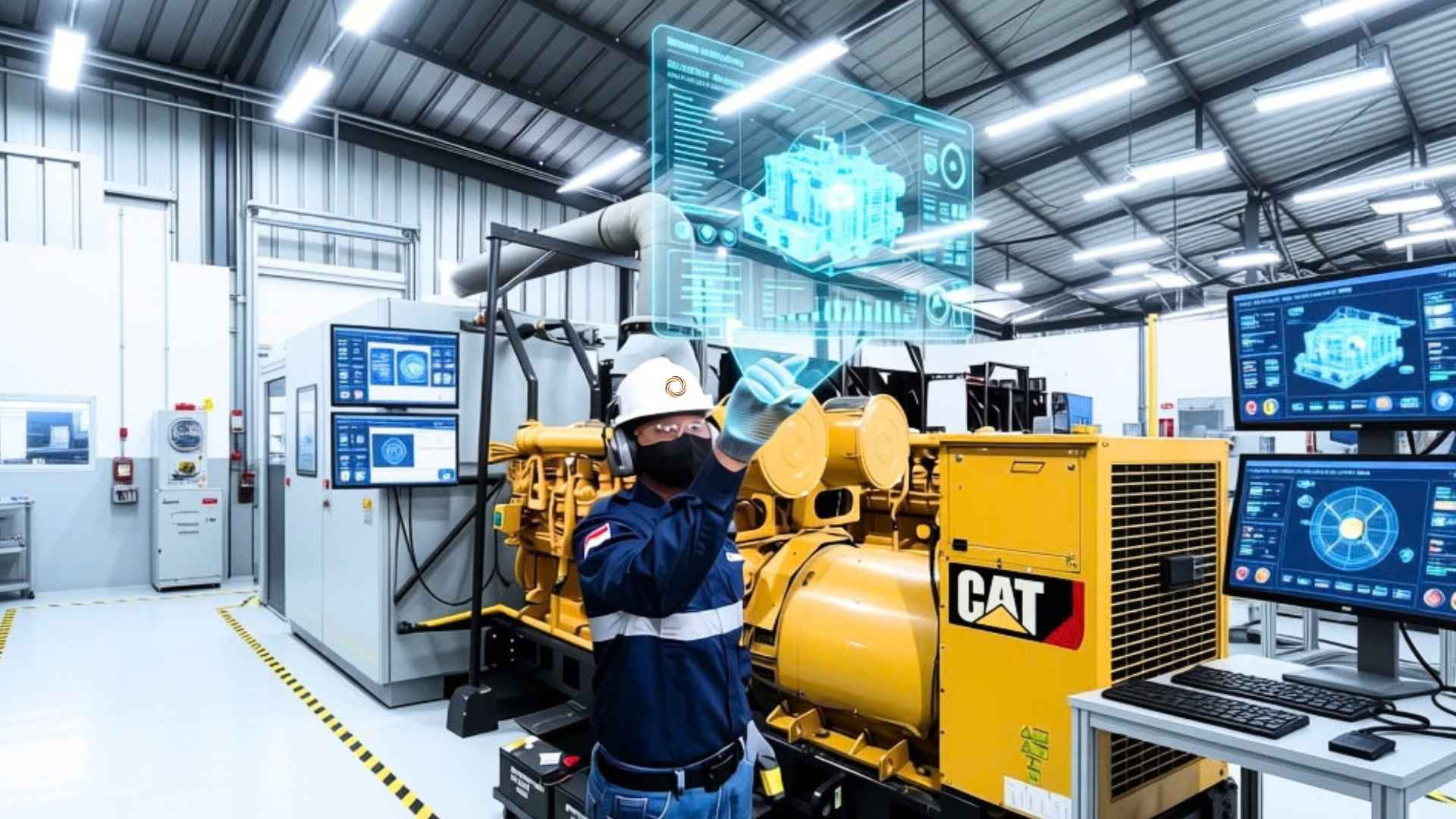
As a result, many organizations across the energy sector are investing in digital monitoring and asset management solutions. Sewatama is among those advancing this transformation through the development of an operational and maintenance dashboard designed to enhance visibility into plant operations, improve responsiveness to field requirements, and support data-based decision processes.
By consolidating operational information within a single platform, plant performance can be monitored in a more structured and real-time manner. Such an approach also enables a shift from reactive maintenance practices toward a more proactive asset management strategy, ultimately supporting higher reliability and operational excellence.
Although these initiatives focus on the generation segment, they embody the same principles that underpin smart grid development: leveraging digital technologies to create a more intelligent, efficient, and adaptive electricity system.
The Future of Smart Grid Development in Indonesia
The transition toward smart grids demonstrates that the future of the energy sector will not be determined solely by the amount of generation capacity installed. Equally important is the ability of the entire ecosystem to harness data, digital technologies, and advanced analytics.
From power plants and transmission corridors to distribution networks and end users, every component of the electricity system is evolving toward a more connected and data-centric operating model. In this context, smart grids serve as a critical enabler for renewable energy integration, enhanced supply reliability, and improved national energy security.
For Indonesia, the journey toward a fully digitalized and intelligent power system is still underway. However, one thing is already clear: in the electricity industry of the future, data will be just as valuable as electricity itself, serving as the backbone of a more resilient, sustainable, and future-ready energy ecosystem.
By: Rizka S. Aji
Marketing Communication, PT Sumberdaya Sewatama
Related News
Inform Us What You Need
It pleased us to provide you with solution
