

Staving Off Failure: The Imperative of Routine Generator Set Maintenance
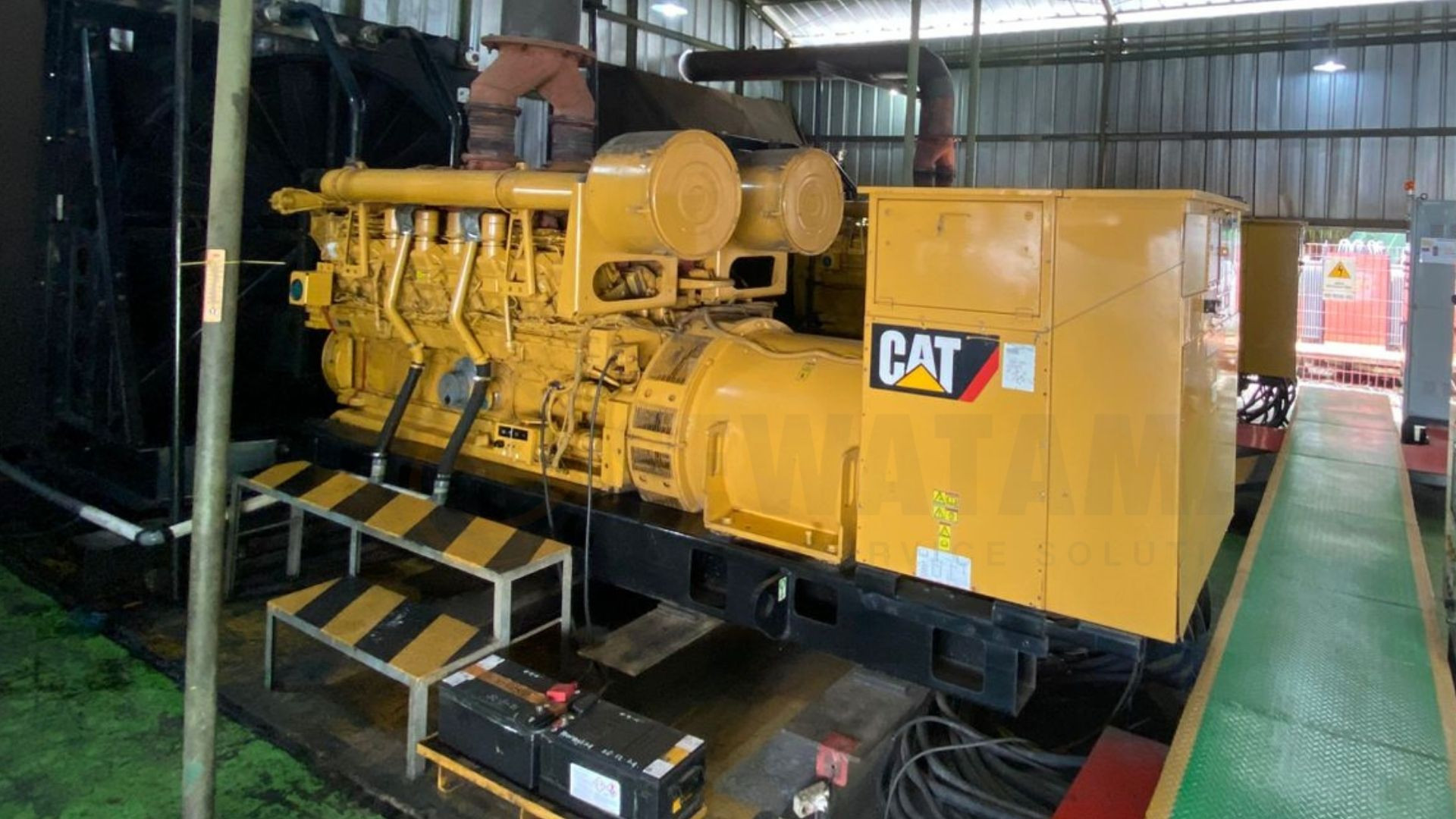
The Generator Set (Genset) serves as a critical asset in ensuring a continuous power supply, whether deployed for standby or prime power installations. To maintain operational efficiency and extend the unit's service life, the implementation of a structured Preventive Maintenance (PM) program is an absolute non-negotiable. This article delves into the essence and key technical steps required to keep the Genset running at peak performance.
Routine Inspection and Preventive Maintenance
The PM regimen is specifically engineered to mitigate premature failures through a scheduled sequence of thorough inspections and component replacements.
1. Lubricant and Filter Analysis: Periodically, engine oil and all associated filters (oil, fuel, and air) must be replaced according to the stipulated running hours mandated by the Original Equipment Manufacturer (OEM). A comprehensive Oil Analysis is essential; it can sound the alarm on metal or fluid contamination, indicating internal wear on the crankshaft, bearings, or cylinder liners.
2. Cooling System Integrity: The quality and level of the coolant/antifreeze must be meticulously monitored to pre-empt overheating and internal corrosion. Routine checks must include the tension of the fan belt and the structural integrity of radiator hoses to avert leaks and subsequent thermal failure.
3. Fuel System Management: It is paramount to regularly inspect and drain water condensation from the fuel tank and fuel filters. Water or particulate contamination can lead to significant damage to fuel injectors or the injection pump, directly compromising the overall combustion efficiency.
4. Electrical System Assessment: A precise check of the voltage and state of charge of the battery (accumulator) is crucial, as the battery is the linchpin of the Genset’s starting sequence. Terminal connections must be kept scrupulously clean and tight to minimize electrical resistance and prevent detrimental voltage drop.
Fault Rectification and Operational Anomaly Identification
Should a malfunction occur, a swift and precise response, directed by the Site Leader, is required for immediate action:
Troubleshooting: Utilizing the wiring diagram and maintenance manual to isolate the fault and execute a robust root cause analysis. For instance, a sudden shutdown requires verification of the trigger, whether it is low oil pressure, high coolant temperature, or overspeed.
Visual and Auditory Inspection: Pinpointing any leakage, abnormal vibration, or unusual noises (knocking/hissing) which may signify mechanical stress or misalignment.
Beyond direct repairs, proactive identification of operational anomalies is a vital function. This includes consistently monitoring the load factor, frequency, and harmonic distortion, which directly impact the unit’s performance and the quality of the generated power. Taking immediate action on these deviations is mission-critical.
Environmental Stewardship and HSE Compliance
The application of Health, Safety, and Environment (HSE) aspects is mandatory for all operational activities. The adoption of the 5S methodology (Seiri, Seiton, Seiso, Seiketsu, Shitsuke) in the working area and accommodation ensures a safe and efficient work environment. Reporting operational results, including the logbook of running hours, fuel consumption rate, and maintenance report, serves as essential documentation for trend analysis and unit performance audits.
By rigorously executing a tight and responsive PM cycle, the Genset can maintain a high Mean Time Between Failures (MTBF), thereby guaranteeing reliable and cost-efficient power availability.
By: M. Fauzan, Product Application Engineer, PT Sumberdaya Sewatama
Related News

Inform Us What You Need
It pleased us to provide you with solution
